Hammered Jewelry: Texture, Shine and What to Look For
Reading the surface of GUIJUE’s Pleated Ring and Pleated Cuff.
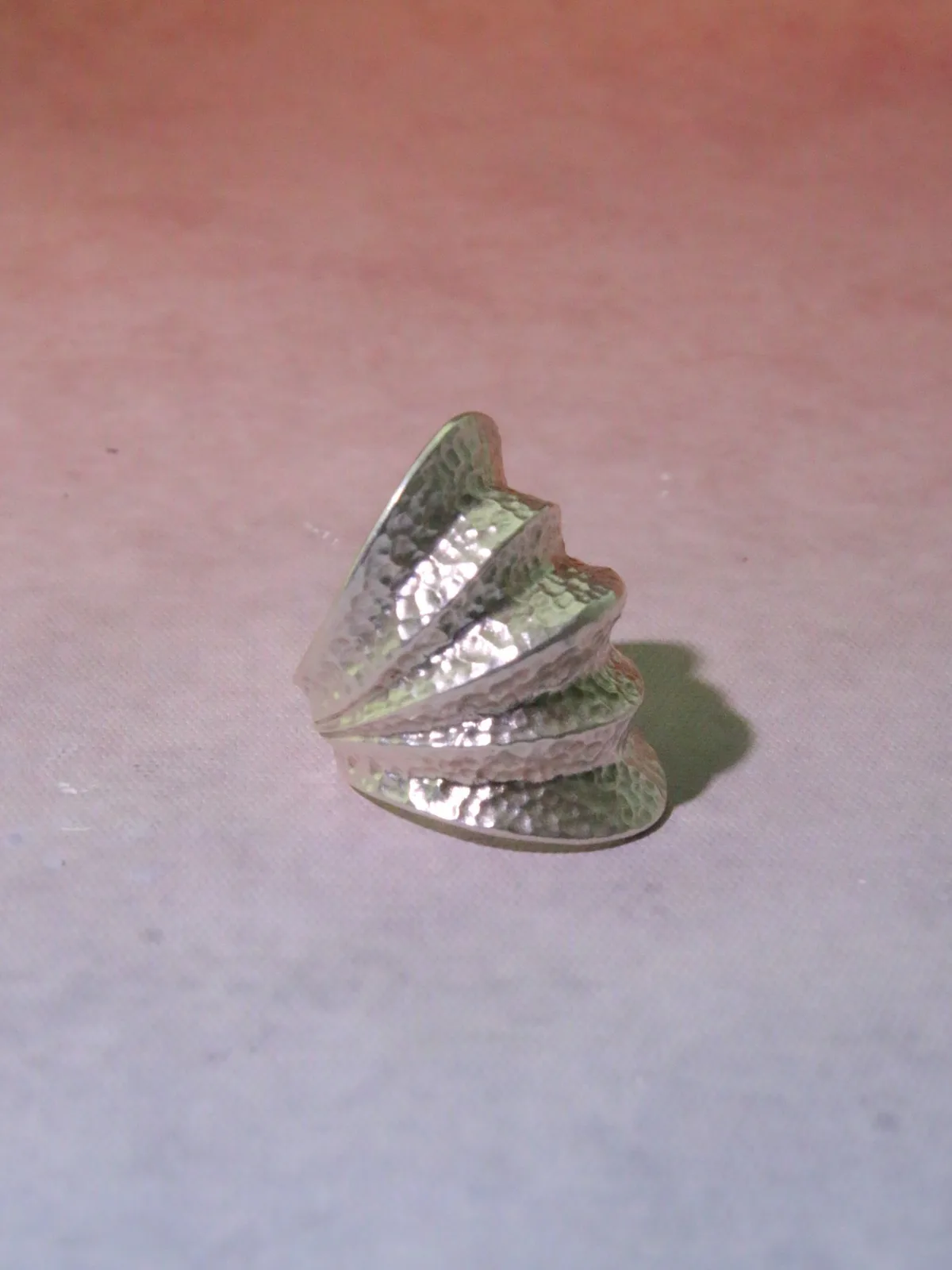
A hammered finish gives metal small indentations and facets that catch light at different angles. It can be bright and reflective. “Hammered” describes the texture; it does not necessarily mean matte.
That distinction is useful when buying jewelry from photographs. A textured ring can look almost smooth in a bright front view, then show deep marks in a side-lit close-up. Look at the edges of the marks and the reflections between them.
Can hammered jewelry also be polished?
Yes. Hammering and polishing describe different parts of a finish. A hammered surface can be polished, leaving shiny facets with visible dips between them. A smooth polished surface tends to show a longer, more continuous reflection; small facets break it into patches.
The amount of polish affects how pronounced the texture looks. So does the light in the photograph. Before deciding that a piece is too rough or too dull, compare a close view with a wearing view taken in different light.
What the folds add
GUIJUE’s Pleated Ring has two kinds of detail to follow. Raised folds give the front its broad, ridged shape. Smaller hammered marks sit on the surfaces between them.
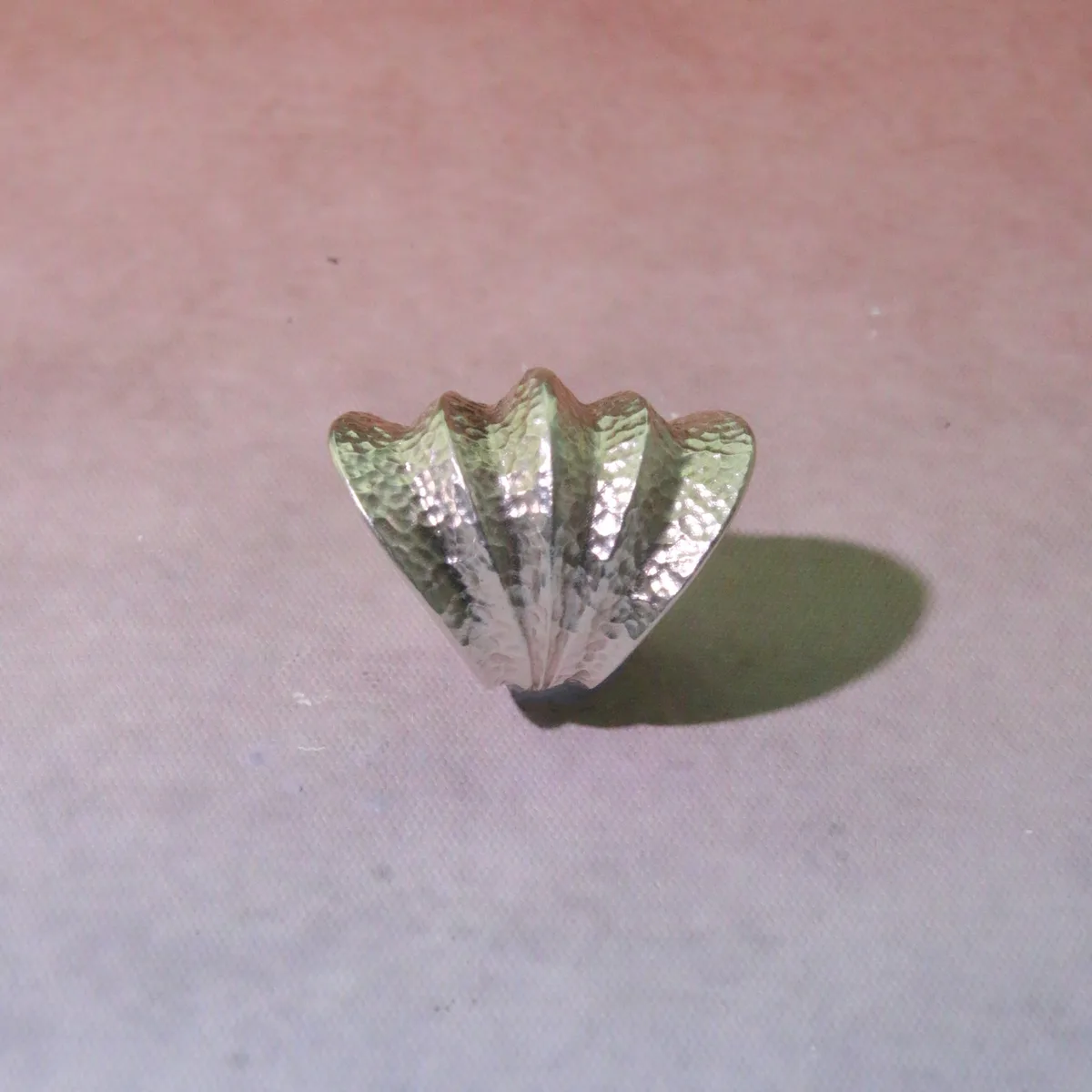
The side photograph reveals a smoother hollow inside one fold. Beside it, a raised edge carries a bright strip of light. This is why the whole ring cannot be described well with a single word such as “rough.” Different areas of the same piece have different surfaces.
The Pleated Cuff carries the folds across a larger area. Across the cuff, the raised lines are what you notice first; the small marks only appear close up. Look at both levels: the outline you notice from a distance and the texture you see close up.
These photographs show the finished pieces. They do not establish every step used to make them.
Texture does not tell you the metal
A silver-colored surface is not enough to identify sterling silver. A material description should tell you whether the piece is silver throughout or silver-plated over another metal. Texture and color cannot settle that question.
The Pleated Ring and Pleated Cuff offered here are silver-plated pieces. Their hammered surfaces should not be taken as evidence that they are solid sterling silver. Read the material details for the particular version you are considering.
Choosing a piece to wear
The ring puts the folds on the hand, where you can see them without changing your clothes. The cuff needs a little more space at the wrist. A sleeve ending above it leaves the outer edges visible.
For either piece, look for three useful views before buying: the front to understand the outline, the side to judge its depth, and a wearing image to see the scale. A close-up alone can make small marks dominate the picture. The wearing view brings them back into proportion.
Related
Form Around the Body
How a folded earring, a sliding necklace and an open ring change the outline around the body.
Selected EUNXY
Why the Flip Cuff, Curtain earrings and Princess Pea Choker belong in our EUNXY selection.
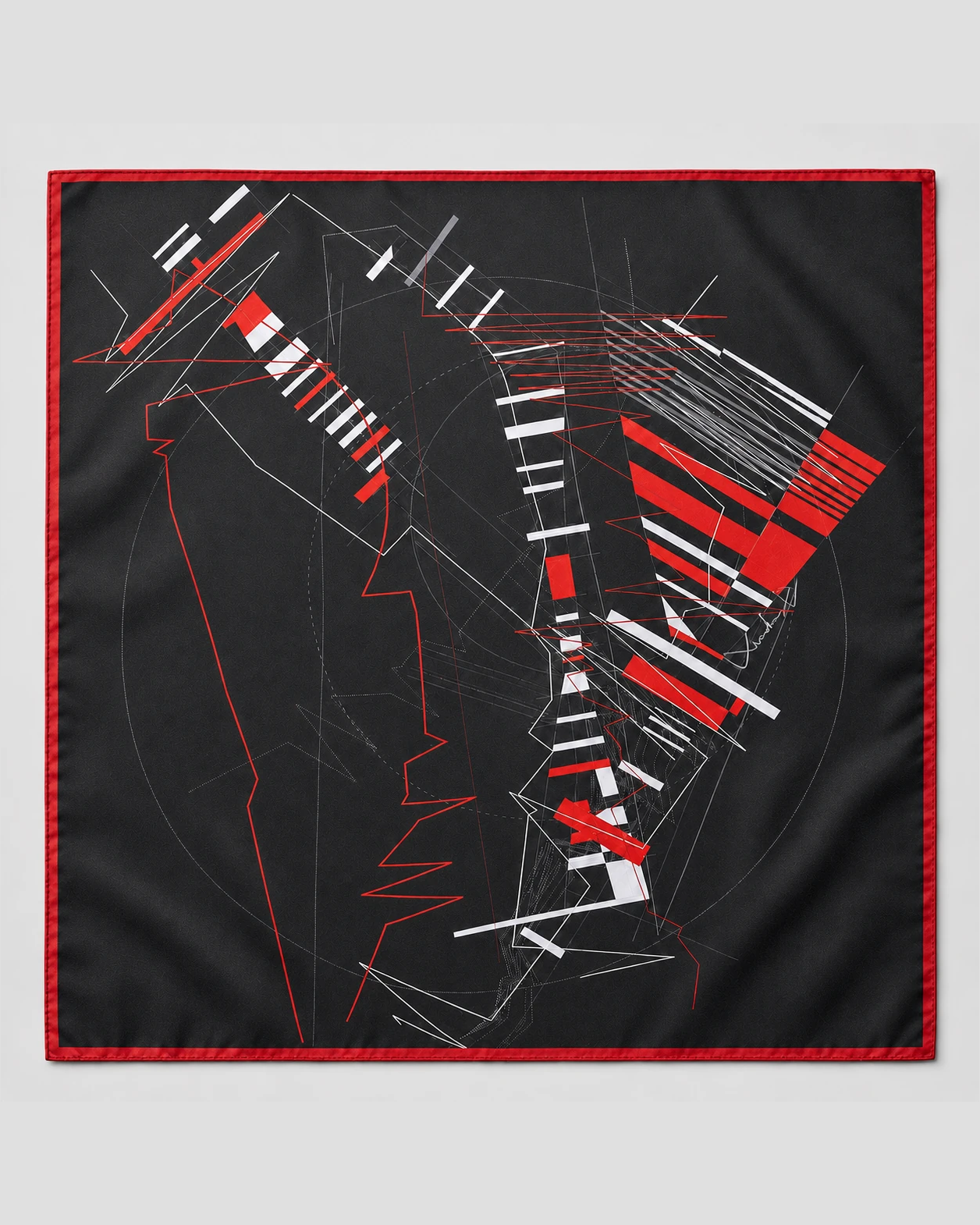
Unfolding a Silk Edition
Start with a loose knot, then change the fold to reveal another part of X.C Studio's city drawings.
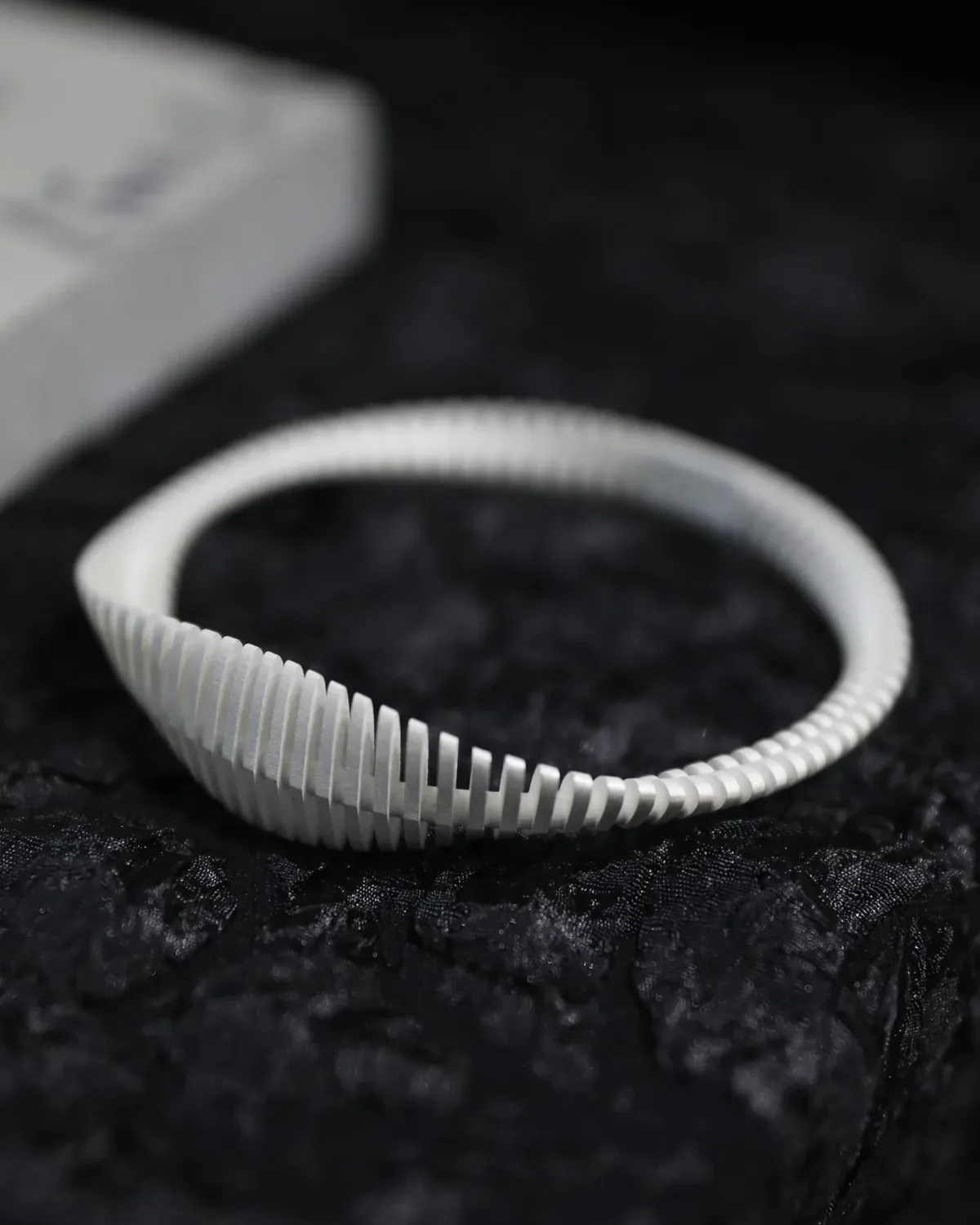
How to Choose a Sculptural Silver Bangle
Two YOOUJIW bangles, with a closer look at open spaces, inner measurements and sleeves.
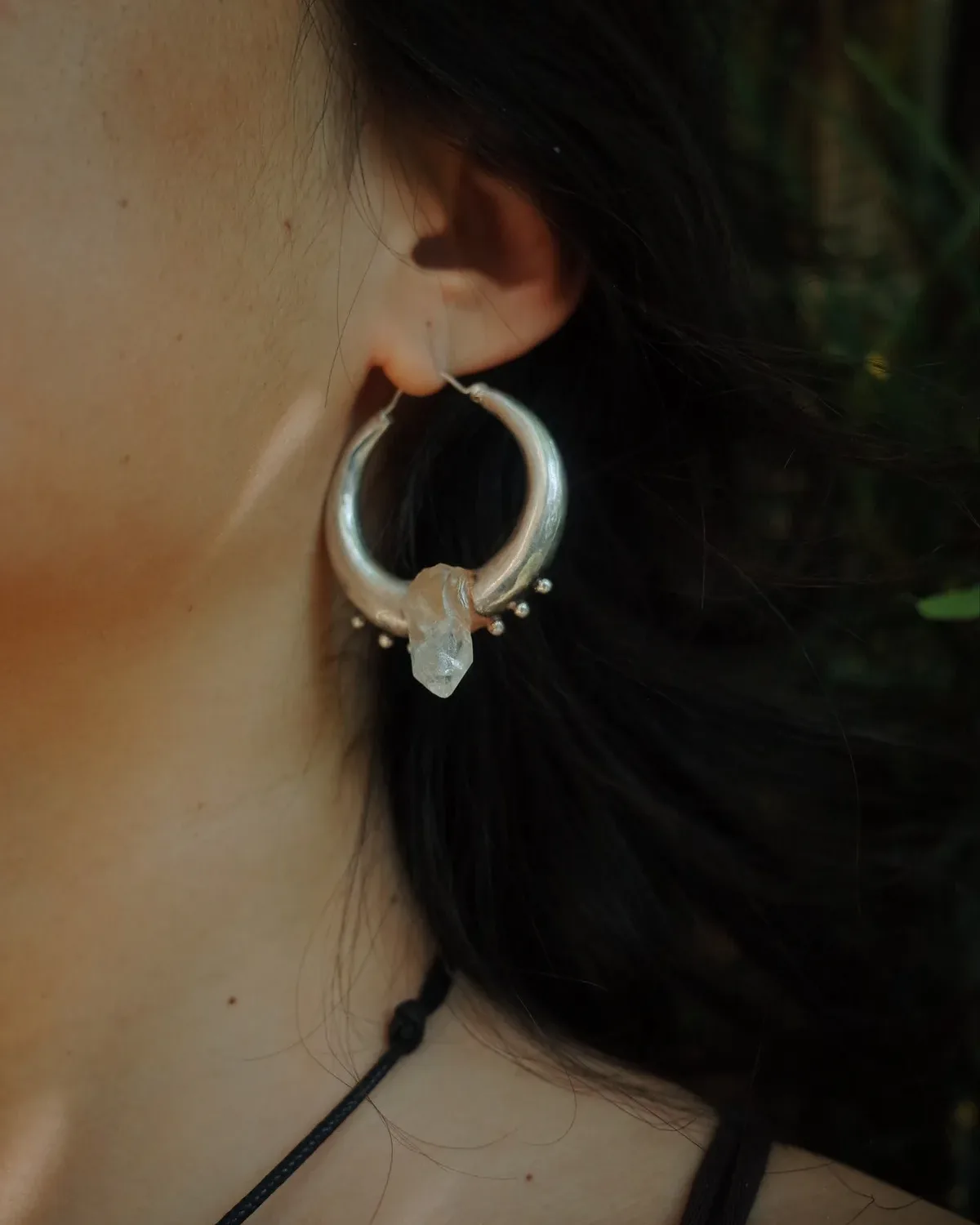
Crystal Hoop or Drop Earrings? How to Choose
Pure Ring and A Drop by the Ear, compared by width, length and the crystal in each pair.
Unfolding a Silk Edition
Start with a loose knot, then change the fold to reveal another part of X.C Studio's city drawings.